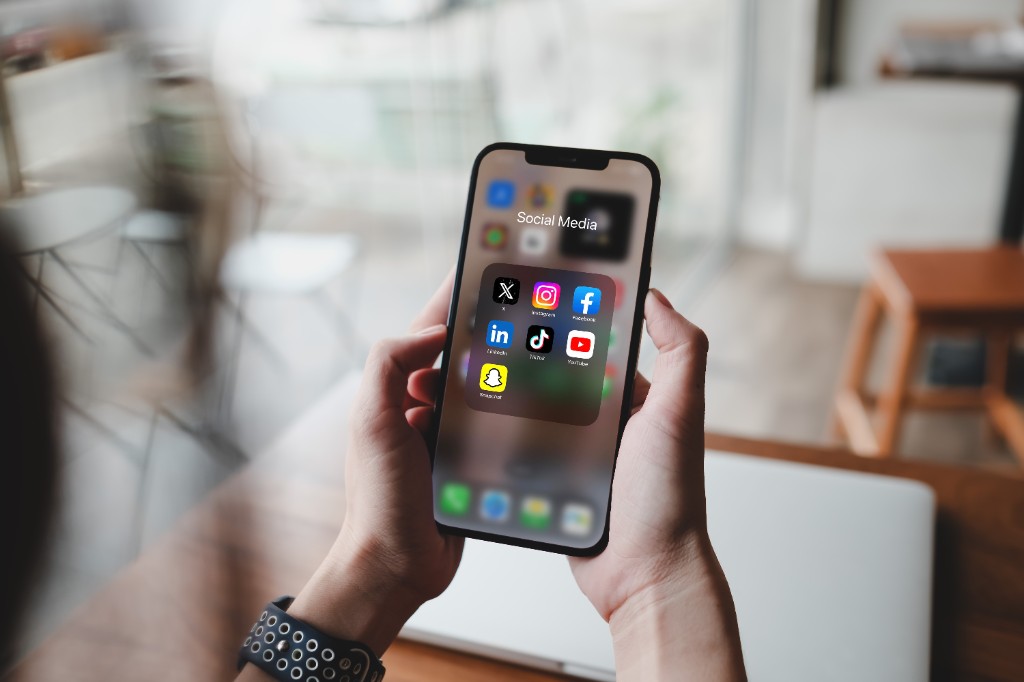
If you have spent any time on TikTok or Instagram lately, you have probably seen ADHD content: quick videos on "signs you have ADHD," relatable memes, and personal stories. Some of it is genuinely helpful. A lot of it is not.
Why ADHD Content Is Everywhere Right Now
Awareness of ADHD, especially in adults, has grown significantly in recent years, and social media has played a big part in that. Seeing other people describe their experience can be validating, and can help people recognize patterns in themselves for the first time. But platforms built for engagement are not built for accuracy, and ADHD has become one of the most discussed, and most misrepresented, topics in that space.
The Problem: Most of It Is Not Accurate
A 2025 study analyzing some of the most popular ADHD videos on TikTok found that more than half of the claims made about ADHD were not scientifically accurate. Even more strikingly, researchers found that a majority of those inaccurate claims were actually describing normal, everyday human experiences, not ADHD symptoms at all: things like occasionally losing your keys or getting distracted during a boring meeting.
Relatable Is Not the Same as Diagnostic
Almost everyone can relate to forgetting something or feeling distracted sometimes. ADHD is diagnosed based on a consistent pattern of symptoms that significantly affects daily functioning across settings, not a handful of relatable moments in a thirty second video. Researchers have found that heavy viewers of ADHD content often cannot reliably tell accurate information from inaccurate information, and that watching this content tends to reinforce a self-diagnosis regardless of whether it is correct.
“ADHD is diagnosed based on a consistent pattern of symptoms, not a handful of relatable moments in a thirty second video.”
The Real Risk of Self-Diagnosis and Self-Treatment
Self-diagnosing ADHD carries real risk. Conditions like anxiety, depression, sleep disorders, and thyroid issues can closely mimic ADHD symptoms, and treating the wrong condition, or treating yourself without guidance, can delay proper care or even make symptoms worse. Researchers have also raised specific concern about self-medication among people who suspect they have a mental health condition but have never been formally evaluated.
How to Use Social Media Without Being Misled
Social media is not the enemy here. It can be a genuinely useful starting point, if you use it carefully:
- Treat videos as a reason to ask questions, not a source of answers.
- Cross check anything specific against a credible source, such as the National Institute of Mental Health or the CDC.
- Bring what you have noticed about yourself to a licensed clinician, instead of arriving with a self-assigned label.
- Remember that creators, even well-meaning ones, are usually not licensed clinicians.
When to Seek a Real Evaluation
If ADHD content keeps resonating with you, that is worth paying attention to. But the next right step is not another video, it is a proper evaluation with a licensed provider who can look at your full history, rule out look-alike conditions, and give you an actual answer instead of a guess.
Anora's evaluations are led by licensed clinicians and combine validated screening tools with objective cognitive data, so you get a real answer, not a guess.
Start Your EvaluationSources
- Quality and Perception of ADHD Content on TikTok: Cross-Sectional Study. JMIR Infodemiology, 2025.
- University of British Columbia. Study on ADHD content quality and viewer perception on TikTok. PLOS One, 2025.
- Petrie-Flom Center, Harvard Law School. Dr. TikTok? The Impacts of Misinformation on Mental Health Self-Diagnosis, 2025.
Written for the Anora community
This article is for general information and is not a substitute for a clinical evaluation. Treatment decisions are made by a licensed provider after a full assessment.