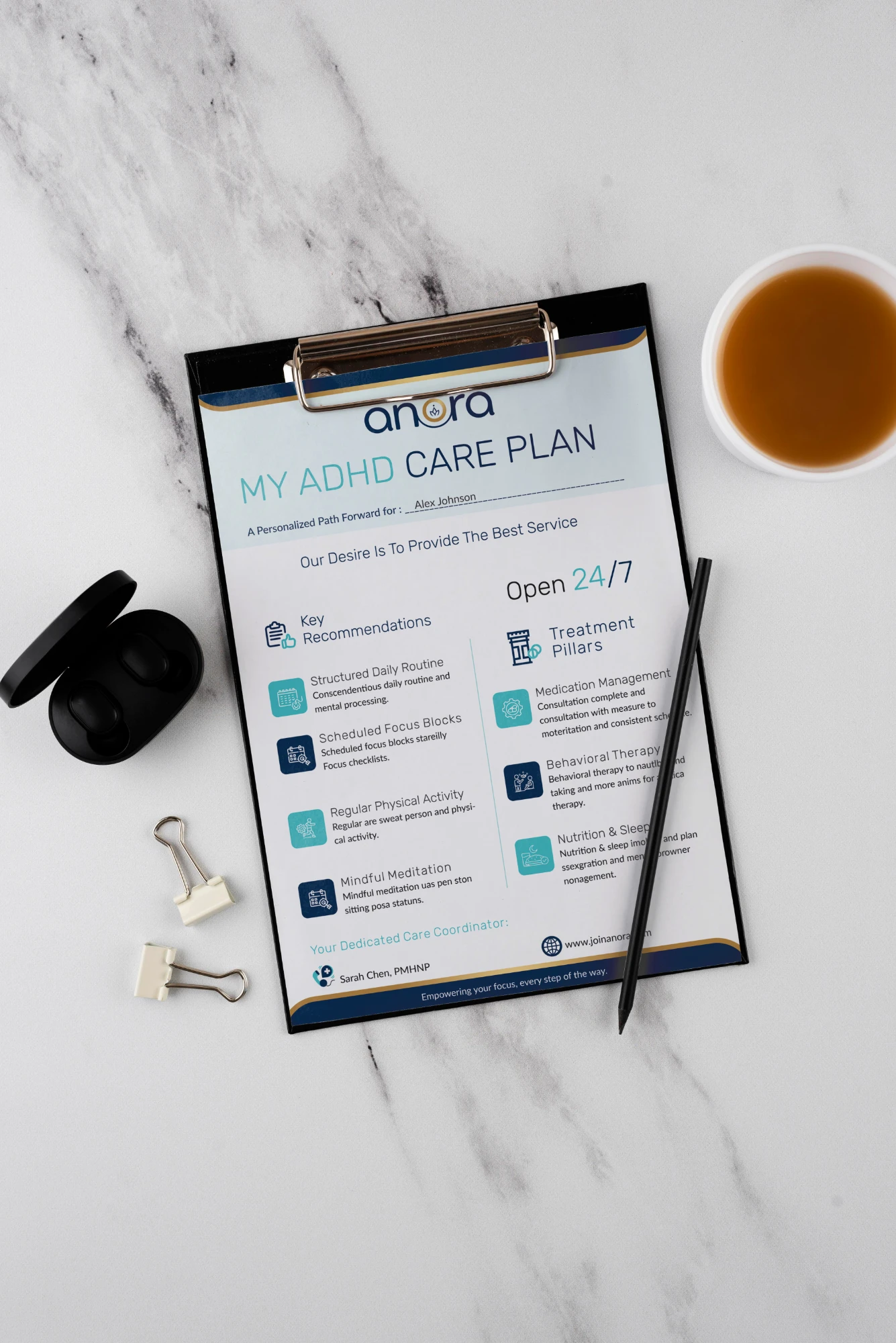
ADHD treatment is not one size fits all, and thanks to a growing body of research, we now have a much clearer picture of what tends to help, and for whom.
The Largest Review of ADHD Treatments to Date
In late 2025, researchers published the most comprehensive review of ADHD treatments conducted to date in The BMJ, analyzing more than 200 existing meta-analyses covering upwards of 30 different interventions. The review found that medication remained one of the most consistently effective treatments for ADHD symptoms in both children and adults, with cognitive behavioral therapy also showing strong, well-supported results in adults. Notably, the certainty of evidence dropped off considerably for many non-drug and alternative approaches, and most of the evidence available, even for well-studied treatments, covered only short-term outcomes.
Medication: Still the Most Studied Option
Stimulant medications such as methylphenidate and amphetamines remain the most extensively researched ADHD treatments and are generally considered a first-line option by clinicians. Non-stimulant options, including atomoxetine and certain alpha-2 agonists, offer alternatives for people who cannot tolerate stimulants or prefer a different approach. Because ADHD medication response varies significantly from person to person, finding the right medication and dose is usually a guided process of adjustment, not a single starting decision.
Cognitive Behavioral Therapy: Strong Evidence in Adults
For adults specifically, CBT has shown some of the strongest evidence of any non-medication treatment, helping address the negative thought patterns, disorganization, and emotional regulation struggles that often accompany ADHD symptoms. It is frequently used alongside medication rather than as a replacement for it.
Where Coaching Fits In
ADHD coaching is a newer area of research compared to medication and CBT, but the evidence so far is encouraging. Early outcome studies have found that coaching can meaningfully improve areas like organization, follow-through, and self-confidence, particularly when paired with other treatment. Professional organizations increasingly describe coaching as a valuable complement to clinical care, especially for building the daily habits and structure that medication and therapy alone do not always address. Because the coaching field is still building out its formal research base, it is generally recommended as a supplement to an evaluation and treatment plan, not a replacement for one.
Building a Plan That Is Actually Yours
The clearest theme across the research is that combined, personalized care tends to outperform any single approach used alone. A plan might include medication as a foundation, therapy or coaching as ongoing support, and regular check-ins to adjust as your needs change. The right combination looks different for everyone, which is why a proper evaluation, not a quiz or a guess, is the necessary first step.
“Combined, personalized care tends to outperform any single approach used alone.”
Anora's clinicians build evidence-based, personalized treatment plans, with medication management and coaching available as part of your care.
Explore Treatment OptionsSources
- Gosling CJ, Garcia-Argibay M, De Prisco M, et al. Benefits and harms of ADHD interventions: umbrella review and platform for shared decision making. The BMJ, 2025.
- Kubik JA. Efficacy of ADHD Coaching for Adults With ADHD. Journal of Attention Disorders, 2010.
- CHADD. Evidence-Based Coaching for Adults with ADHD.
Written for the Anora community
This article is for general information and is not a substitute for a clinical evaluation. Treatment decisions are made by a licensed provider after a full assessment.