Understanding Non-Stimulant ADHD Medication
A calmer, steady approach to managing ADHD — non-habit-forming, with smooth 24/7 coverage and no risk of dependence.
Available online to qualifying patients in all Anora-served states.
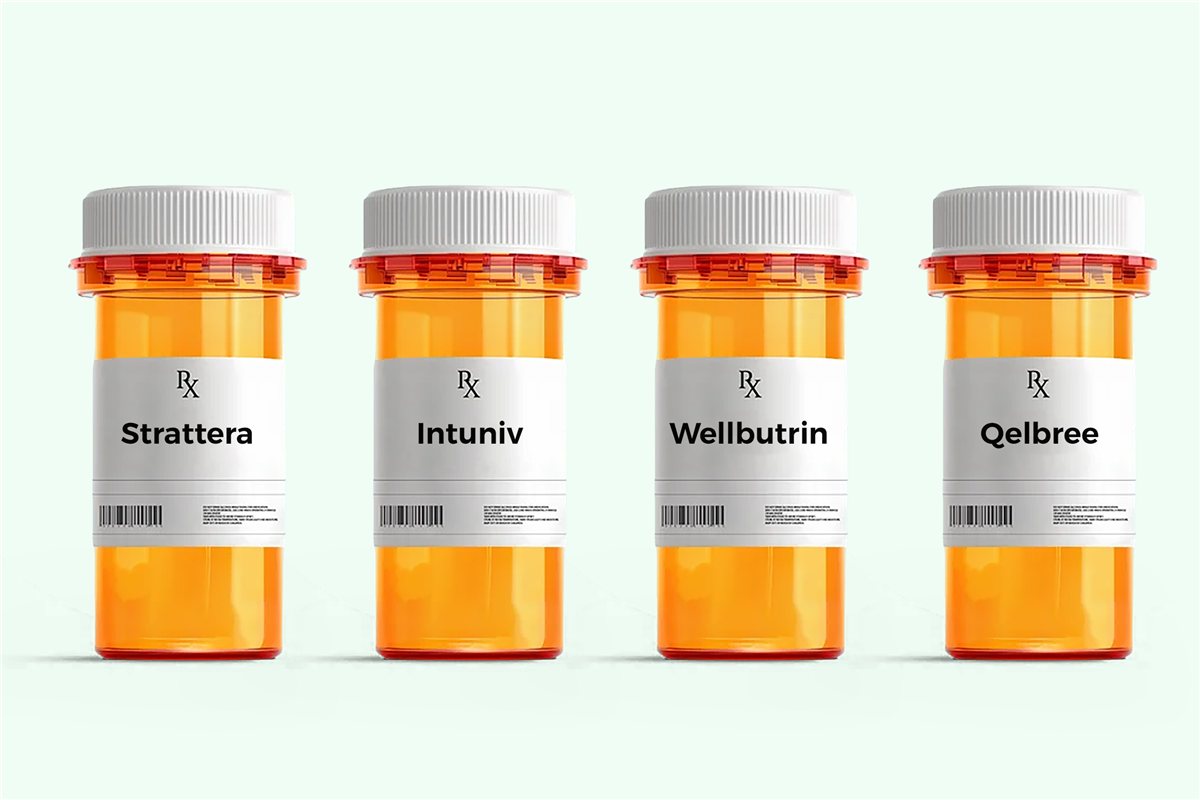
While stimulants are often the most talked-about treatment for Attention-Deficit/Hyperactivity Disorder (ADHD), they aren't the perfect fit for everyone. For many individuals, non-stimulant medications are actually the superior option.
By targeting different neurotransmitters in the brain without directly activating the central nervous system, non-stimulants provide a highly effective, smooth, and targeted approach to managing ADHD symptoms.
Why Non-Stimulants Might Be the Better Option for You
Rather than viewing non-stimulants as a "backup plan," many medical professionals actively prefer them for patients with specific health profiles. Here is why a non-stimulant might be the optimal choice for your treatment:
- Ideal for Co-Occurring Anxiety: Stimulants can sometimes trigger nervousness or exacerbate existing anxiety. Non-stimulants, particularly certain classes originally designed for blood pressure, exert a natural calming effect. This makes them exceptionally helpful for people managing both ADHD and anxiety simultaneously.
- Safer for Heart Conditions: Because stimulants actively speed up the central nervous system, they can elevate heart rate and blood pressure. For individuals with cardiovascular issues — such as high blood pressure, irregular heartbeats, or a history of heart disease — non-stimulants offer a significantly safer alternative.
- No Risk of Tolerance or Addiction: A major problem with stimulants (which are classified as controlled substances) is that the body can quickly build a resistance to them, requiring higher doses over time to achieve the same focus. Non-stimulants are non-habit-forming, carry zero risk of drug abuse, and provide consistent long-term results without the need to constantly chase a higher dose.
- Smoother, 24/7 Coverage: Because non-stimulants build up gradually in your system, they provide continuous support. Patients do not experience the sudden "crash" or mood irritability that often occurs when a stimulant wears off at the end of the day.
Types of Non-Stimulant Medications
There are several highly effective non-stimulant options available, including both FDA-approved medications and widely trusted "off-label" prescriptions.
FDA-Approved for ADHD
These medications are specifically formulated to treat ADHD by increasing levels of norepinephrine in the brain, creating a stimulating effect on your focus without overstimulating your nervous system.
- Strattera (atomoxetine)
- Qelbree (viloxazine)
Off-Label Options
"Off-label" means a medication was originally approved for another use, but clinical evidence shows it is highly effective at improving ADHD symptoms.
- Wellbutrin (bupropion): Increases both dopamine and norepinephrine levels to help with focus, attention, and motivation. It is incredibly versatile, doubling as a treatment for anxiety, depression, and seasonal affective disorder.
- Intuniv (guanfacine) and Clonidine: Belonging to a class of medications known as "alpha-2 adrenergic receptor agonists," these were initially developed to lower blood pressure. Their deeply calming effects make them excellent choices for hyperactivity, impulsivity, and co-occurring anxiety.
Common Side Effects
When taken as prescribed, non-stimulants are generally well tolerated. However, because they interact with brain chemistry, it can take 1 to 2 weeks for your body to adjust. The most common side effects include:
- Fatigue, drowsiness, or sedation (especially common with Guanfacine and Clonidine)
- Nausea, upset stomach, or decreased appetite
- Dry mouth
- Dizziness or lightheadedness
- Constipation
- Mild mood swings or irritability during the initial adjustment period
Special Monitoring and Attention
Because non-stimulants work differently than stimulants, they require specific medical oversight to ensure they are working safely and effectively:
- Blood Pressure and Heart Rate Checks: If you are prescribed blood pressure medications like Intuniv or Clonidine for ADHD, your doctor will need to monitor your blood pressure regularly. These medications can lower your blood pressure, and stopping them abruptly can cause a dangerous rebound spike in blood pressure.
- Mood and Behavioral Monitoring: Medications like Strattera and Qelbree carry a warning for the potential of increased suicidal thoughts, particularly in children, teens, and young adults during the first few months of treatment. Close monitoring of mood changes, sudden agitation, or signs of depression is essential.
- Gradual Tapering: Unlike stimulants, which can sometimes be taken on an "as-needed" basis, non-stimulants must be taken daily to maintain the therapeutic levels in your body. If you decide to stop the medication, your doctor must help you taper off gradually to avoid withdrawal symptoms.
- Liver Function: In very rare cases, medications like atomoxetine can affect the liver. Your doctor may request occasional blood tests to ensure your liver enzymes remain healthy.

Ready to talk to a provider?
Your Anora clinician will walk you through your options and build a treatment plan around your health history, goals, and where you live.
Start Medication Care