Understanding Stimulant ADHD Medication
The first-line, fastest-acting treatment for ADHD — highly effective, with same-day onset for most patients.
Currently prescribed online only to qualifying patients in Georgia (GA) and North Carolina (NC).
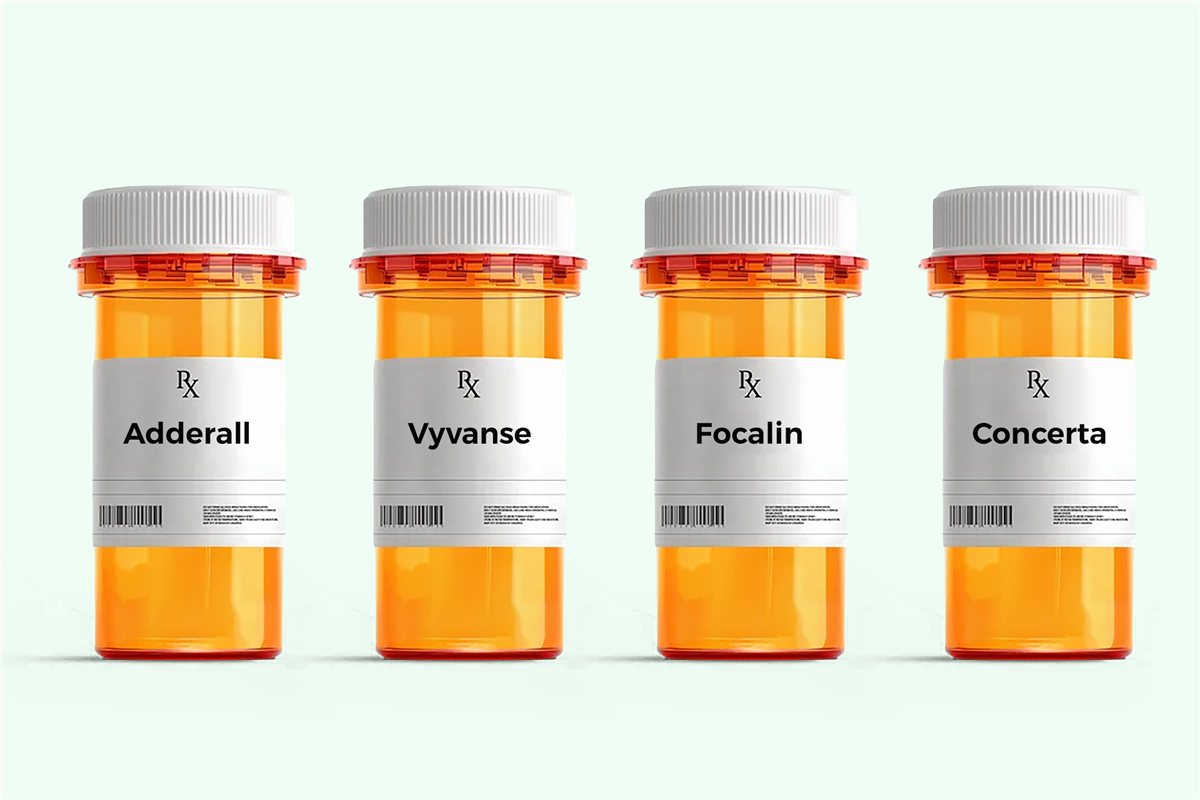
For decades, stimulant medications have served as the cornerstone of treatment for Attention-Deficit/Hyperactivity Disorder (ADHD). These medications are highly effective at reducing core symptoms such as hyperactivity, impulsivity, and inattention.
By temporarily increasing specific chemicals in the brain, stimulants help individuals with ADHD gain better control over their focus, organization, and self-regulation.
Why Choose Stimulants over Non-Stimulants?
While non-stimulants are an excellent option for many, stimulants remain the first-line treatment for ADHD due to several unique clinical advantages:
- Rapid, Same-Day Onset: Unlike non-stimulant medications — which can take several weeks to build up in your system before you feel their effects — stimulant medications work almost immediately. Most patients notice an improvement in focus and behavioral control within one to two hours of taking their first dose.
- Superior Efficacy Rates: Broad clinical research shows that stimulants are highly effective, with approximately 70% to 80% of children and adults experiencing significant symptom reduction.
- Dosing Flexibility ("Drug Holidays"): Because stimulants do not need to build up in the body to be effective, they offer greater schedule flexibility. Under a doctor's guidance, patients can sometimes take "drug holidays" — such as skipping doses on weekends or during school breaks — to minimize side effects like appetite suppression.
Common Stimulant Medications
Stimulants are generally divided into two main chemical classes: Methylphenidates and Amphetamines. Both classes are available in short-acting (immediate-release) and long-acting (extended-release) formulations.
Methylphenidate-Based Stimulants
These medications prevent the brain from reabsorbing dopamine and norepinephrine, leaving more of these neurotransmitters available to improve focus.
- Ritalin & Methylin (short-acting)
- Concerta & Metadate (long-acting)
- Focalin (dexmethylphenidate)
- Daytrana (a skin patch formulation)
- Quillivant XR (a liquid extended-release formulation)
Amphetamine-Based Stimulants
These medications both block the reuptake of dopamine and norepinephrine and actively stimulate the brain to release more of them.
- Adderall (dextroamphetamine/amphetamine)
- Dexedrine (dextroamphetamine)
- Vyvanse (lisdexamfetamine)
Limitations and Key Considerations
Despite their high effectiveness, stimulants come with unique challenges that require careful management:
- Controlled Substance Status: Because stimulants have a high potential for misuse, they are classified as Schedule II controlled substances. This means they are subject to strict legal regulations and cannot be refilled without a new prescription each month.
- Tolerance and Dependence: Over long periods of use, the body can build a tolerance to stimulants. This means you may eventually require a higher dose to achieve the same therapeutic benefits. Some individuals can also develop a physical or psychological dependence on these medications.
- Consistent Supply Issues: Due to federal manufacturing quotas and high demand, certain stimulant medications can occasionally experience supply shortages, making them more difficult to secure consistently at local pharmacies.
Common Side Effects
While many people tolerate stimulants well, they do affect the central nervous system and can cause mild to moderate side effects, especially when first starting or adjusting a dose:
- Decreased Appetite & Weight Loss: This is one of the most common side effects and can be particularly concerning for growing children.
- Sleep Disturbances: Stimulants taken too late in the day can interfere with falling asleep or lead to insomnia.
- Increased Heart Rate & Blood Pressure: Because they stimulate the nervous system, minor elevations in pulse and blood pressure are common.
- Dry Mouth & Headaches: Usually temporary side effects that improve as the body adjusts.
- The "Rebound Effect": As a long-acting stimulant wears off in the evening, some patients experience a brief period of intense irritability, hyperactivity, or low mood.
Serious Adverse Reactions
In rare cases, stimulant medications can cause severe adverse effects that require immediate medical attention:
- Cardiovascular Strain: For individuals with pre-existing heart conditions, stimulants can trigger chest pain, shortness of breath, rapid heart rate, or stroke.
- Psychiatric Symptoms: In rare instances, stimulants can trigger or worsen psychiatric issues, including severe anxiety, aggression, mania, or hallucinations.
- Risk of Misuse and Addiction: Misusing stimulants by taking higher doses than prescribed or using them without a prescription can lead to substance use disorders, cardiovascular events, or overdose.
- Severe Allergic Reactions: Though exceptionally rare, severe allergic reactions (such as anaphylaxis) can occur. Seek emergency care if you experience hives, facial swelling, or difficulty breathing.
Safety, Screening, and Ongoing Monitoring
To ensure stimulant treatment remains safe and effective, patients must undergo thorough screening and routine monitoring:
1. Pre-Treatment Health Screen
Before starting a stimulant, you must disclose your full medical history. Stimulants may not be safe if you have:
- Pre-existing cardiovascular issues such as high blood pressure, irregular heartbeats, or heart disease.
- A personal or family history of sudden cardiac death.
- An overactive thyroid (hyperthyroidism) or severe anxiety/agitation.
- A history of substance use or alcohol abuse.
2. Routine Vital Monitoring
While taking stimulants, your doctor will require regular check-ups to track your vital signs:
- Blood Pressure and Heart Rate: Monitored frequently to ensure the medication is not putting undue strain on your cardiovascular system.
- Height and Weight: Checked regularly (especially in children and teenagers) to ensure the medication's appetite-suppressing effects are not stunting healthy growth and development.
3. Substance Interactions
Always inform your doctor of any other medications, supplements, or herbs you are taking. Stimulants can interact dangerously with other drugs that affect the nervous system, including certain antidepressants (like MAOIs, which can cause dangerously high blood pressure) and excessive caffeine.

Ready to talk to a provider?
Your Anora clinician will walk you through your options and build a treatment plan around your health history, goals, and where you live.
Start Medication Care